

Introduction to the Indus Waters Treaty
The Indus Waters Treaty stands as a beacon of cooperation. Signed in 1960, it divides water between India and Pakistan. This pact has survived wars and tensions. However, climate change now threatens its stability. Rising temperatures melt glaciers fast. Erratic monsoons cause floods and droughts. These shifts strain the treaty’s terms.

The Indus River Basin supports millions, but climate change endangers its flow.
Climate Change’s Role in the Crisis
Climate change intensifies water woes in the Indus Basin. Glaciers melt quicker, reducing river flow by 70% in some areas. Monsoons grow unpredictable, sparking floods. In 2025, Pakistan’s floods killed hundreds. India faces droughts too. Therefore, the treaty’s fixed allocations ignore these changes. Pakistan warns of severe impacts. India suspends the pact amid tensions.
Anthropogenic Activities Worsen the Problem
Human actions amplify the crisis. Deforestation erodes soil in both nations. Over-extraction depletes groundwater. Dams alter natural flows. India builds upstream projects. Pakistan suffers downstream. Moreover, pollution contaminates the river. Industrial waste poisons water sources. These factors fuel disputes over the treaty.
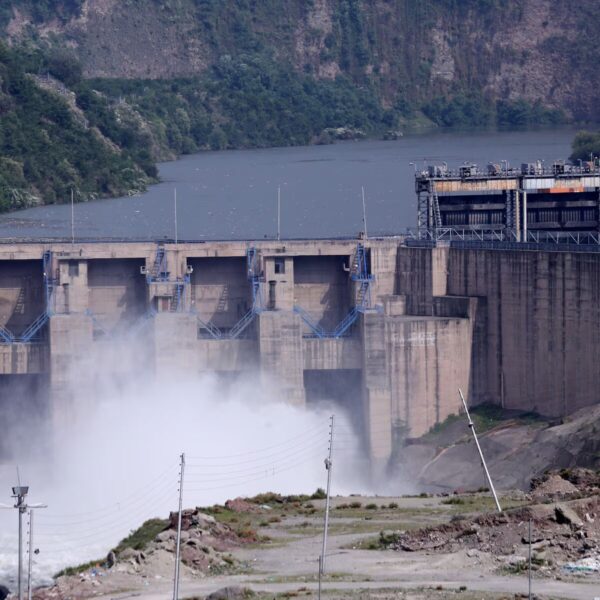
Upstream dams disrupt the Indus flow, heightening India-Pakistan tensions.
Current Conditions in the Indus Basin
The basin supports 200 million people. Yet, water scarcity grips the region. In 2025, India’s suspension shocks Pakistan. Floods displace thousands. Droughts parch farmlands. Glacier melt floods valleys. Saline intrusion ruins deltas. Consequently, food security crumbles. Economies suffer massive losses.
Future Risks: Toward Water Wars?
The treaty’s future looks bleak. Climate models predict worse floods and droughts. India threatens water diversion. Pakistan vows response. Wars over water loom large. Tensions escalate without revisions. However, mediation offers hope.
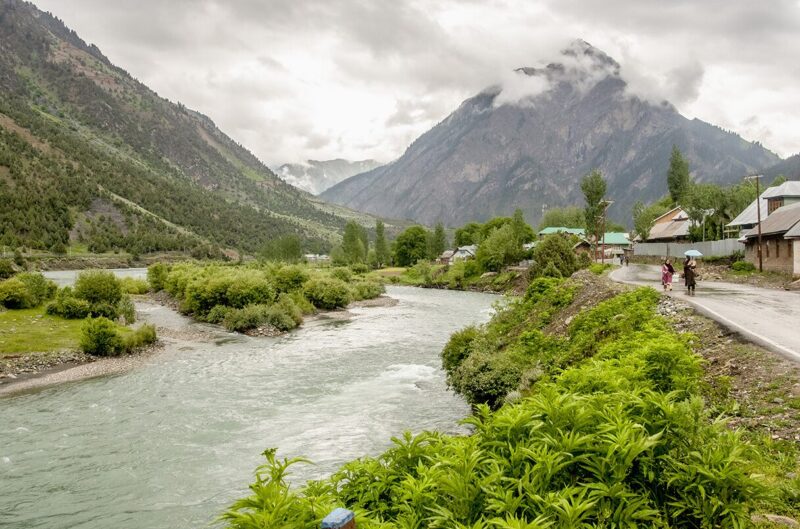
The Indus Basin faces existential threats from climate change and disputes.
Solutions: Revising the Treaty for Tomorrow
Revise the treaty urgently. Include climate provisions now. Share real-time data openly. Invest in joint projects. Promote sustainable farming. Moreover, global mediation helps. The World Bank can facilitate talks.
My Opinion: A Path to Peace
Climate change tests the Indus Waters Treaty harshly. India and Pakistan must collaborate. Ignore this, and water wars erupt. Revise it, and secure peace. Act now for a shared future.
For more, read “With Indus Waters Treaty in the balance, Pakistan braces for more water woes” from NPR.
FAQs
Q1. How does climate change affect the Indus Waters Treaty?
Climate change reduces river flows, increases floods, and adds stress on treaty allocations.
Q2. Can the Indus Waters Treaty survive future climate pressures?
Yes, but only with updated cooperation, adaptive management, and regional trust-building.
Q3. Why is the Indus River system so important?
It sustains 300+ million people across Pakistan and India, vital for farming and drinking water.
Q4. What risks could trigger future water wars in South Asia?
Declining flows, mismanagement, and lack of trust between riparian states.
Q5. What solutions exist for climate-resilient water treaties?
Joint monitoring, data sharing, and sustainable water use practices.
